
Table of Contents
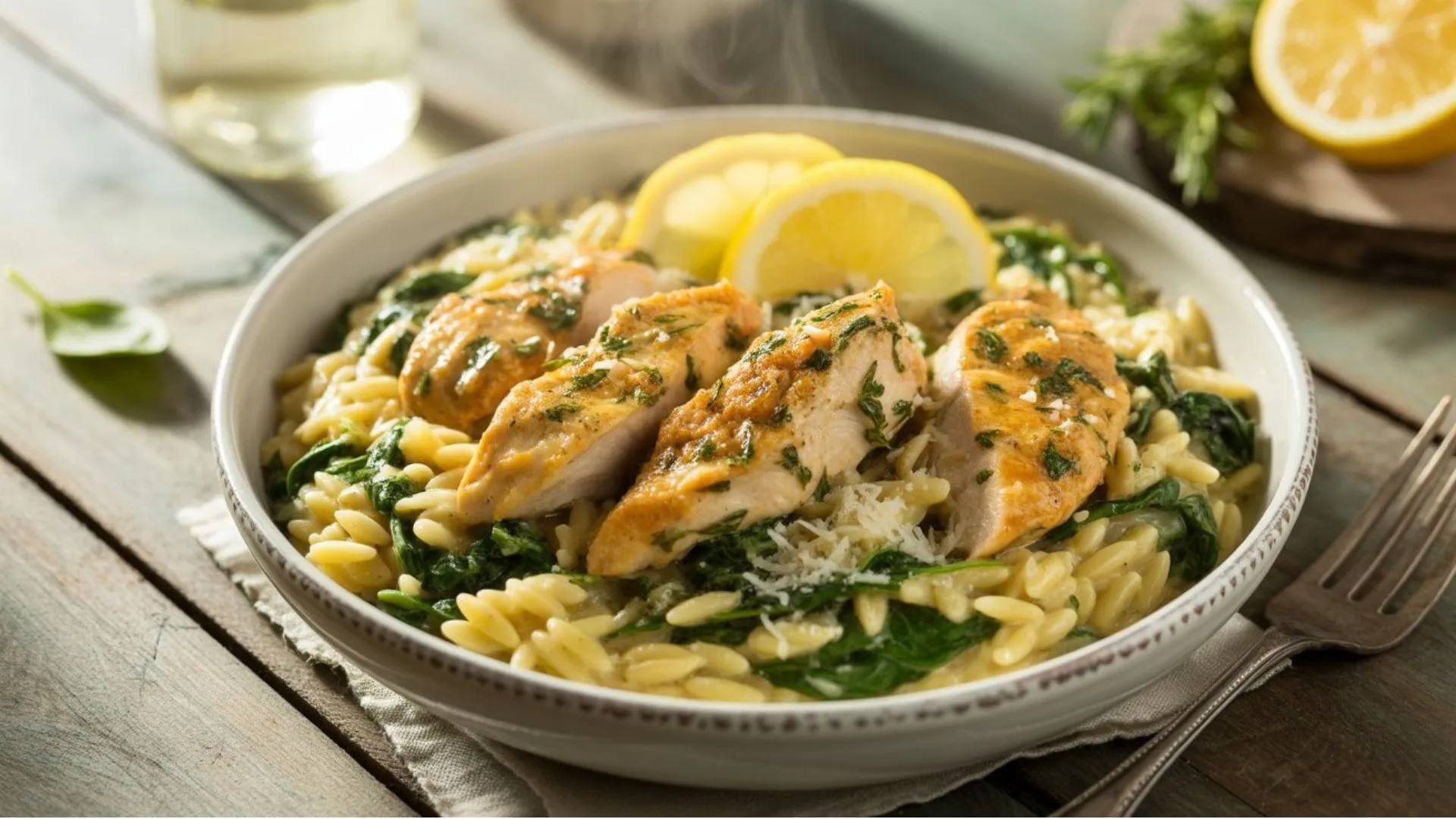
There is something undeniably comforting about a warm bowl of pasta, especially when it is brightened by the zest of fresh citrus. We all have those days where the world feels a bit too heavy, and the only remedy is a meal that tastes like sunshine. This lemon chicken orzo soup—or skillet, depending on how you reduce it—is more than just dinner; it is a hug in a bowl.
It reminds you of simpler times, of kitchens filled with laughter, and the restorative power of a home-cooked meal made with love. Whether you are cooking for a busy family or seeking solace after a long week, this dish promises to lift your spirits as much as it satisfies your hunger.
Why This One-Pot Wonder Works
This dish combines three essential elements that create magic in a single pot: the balance of acidity from fresh lemon, the creaminess from the starchy orzo, and the savory depth of the chicken. When you cook pasta directly in the broth instead of draining it separately, every single grain absorbs those rich flavors, creating a texture that is far superior to boiling water alone.
The versatility of this meal makes it even more appealing. You can simmer it down for a creamy skillet meal or add extra liquid for a cozy soup, saving you time on cleanup while maximizing flavor. If you are looking for more inspiration for weeknight meals, exploring other chicken recipes can open up a world of easy, one-pot possibilities that professional chefs rely on in busy kitchens.
The Ultimate Lemon Chicken Orzo Recipe
This vibrant, creamy, and hearty one-pot meal features tender chicken, al dente orzo pasta, and a bright lemon-herb sauce that will make your taste buds dance. You will find this dish perfect for weeknight dinners but elegant enough to serve when company arrives unexpectedly.
Preparation Time: 15 minutes
Cooking Time: 25 minutes
Total Time: 40 minutes
Yields: 4-6 servings
Ingredients
- Chicken: 1 lb (450g) boneless, skinless chicken thighs or breasts, pounded to ½ inch thickness for even cooking.
- Pasta: 1 ½ cups dried orzo pasta (this rice-shaped pasta stays tender and absorbs cream beautifully).
- Fats: 1 tablespoon olive oil and 2 tablespoons unsalted butter (the butter adds essential richness to the aromatics).
- Aromatics: 1 medium yellow onion (finely diced) and 4 cloves garlic (minced).
- Liquid: 2 cups low-sodium chicken broth (adjust for soupier consistency).
- Herbs: 2 teaspoons Italian seasoning, divided (plus fresh parsley for garnish).
- Citrus: Zest and juice of 1 large lemon (always zest before you juice!).
- Greens: 2 cups fresh baby spinach, packed.
- Creaminess: ¾ cup heavy cream and ½ cup freshly grated Parmesan cheese.
- Seasoning: 1 teaspoon garlic powder, salt, and black pepper to taste.
Instructions
- Season and Sear: Start by seasoning your pounded chicken with olive oil, garlic powder, 1 teaspoon of Italian seasoning, salt, and pepper. Heat oil in a large skillet over medium heat. Cook the chicken for about 6 minutes per side until golden and cooked through (165°F/74°C). Remove it from the pan and let it rest for 10 minutes before slicing—this step ensures the juices redistribute, keeping the meat tender.
- Sauté the Base: In the same pan (don’t wipe it out!), melt the butter. Add your diced onions and cook until softened, about 3 minutes. Stir in the minced garlic and the remaining teaspoon of Italian seasoning, cooking for another minute until fragrant.
- Toast the Orzo: Add the dry orzo directly to the pan and stir for 2 minutes to coat it in the buttery aromatics.
- Simmer: Pour in the chicken broth and scrape up any browned bits from the bottom of the pan. Season with salt and pepper. Bring the mixture to a low boil, then reduce the heat to a simmer. Cover the pot and cook for 10-12 minutes until the orzo is tender and most of the liquid is absorbed.
- Finish the Sauce: Uncover the pan. Stir in the heavy cream, spinach, and Parmesan cheese until the spinach is wilted and the sauce is creamy.
- Add Brightness: Finally, stir in the lemon zest and fresh lemon juice to taste.
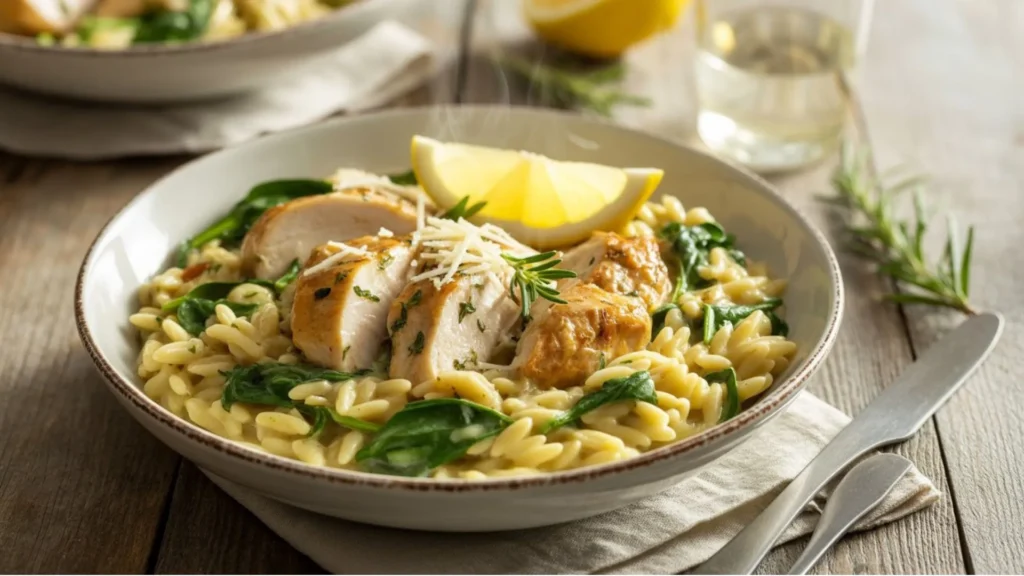
- Serve: Top with the sliced chicken, garnish with extra lemon slices and fresh parsley, and enjoy your homemade lemon chicken orzo.
7 Chef-Approved Tweaks for Better Flavor
1. Toast Your Orzo in Fat Before Simmering
When you toast your orzo in the rendered chicken fat and butter before adding any liquid, you are triggering the Maillard reaction. This chemical process adds a nutty, complex depth that boiling water simply cannot achieve. Watch for a light golden-brown color and breathe in that toasted aroma—those are your cues that the pasta has developed maximum flavor potential. Just like risotto rice, this step transforms ordinary pasta into something extraordinary.
2. Use Bone-In, Skin-On Thighs for the Broth Base
While the standard recipe often calls for boneless breasts for speed, professional chefs know that bones release collagen during cooking, creating a silkier, more luxurious mouthfeel. Start by searing skin-on thighs to render that flavorful fat, then remove the crispy skin if you prefer a lighter dish. Cook the meat on the bone during the simmering phase, removing it only to shred before serving. Your patience pays off with a broth that tastes like you simmered it for hours.
3. The “Double Lemon” Technique
You have probably noticed that lemon flavor fades during the cooking process, leaving you disappointed after putting in all that effort. The secret lies in adding lemon at two different stages for maximum impact. Add your lemon zest at the beginning during the sauté phase to infuse the oil with those bright citrus notes. Then, as noted in the recipe tips, hold back the fresh lemon juice until the very end, stirring it in off the heat to maintain that punchy acidity you crave.
4. Deglaze with White
Alcohol molecules bond with both fat and water, creating a bridge that carries aroma and flavor more effectively than broth alone. After toasting your orzo but before adding the broth, splash in a quarter cup of Pinot Grigio or Sauvignon Blanc. Let it sizzle and reduce by half, scraping up those caramelized bits stuck to the bottom of your pan. This technique adds a sophisticated depth that makes guests ask for your secret recipe. ( for me keep yourself away from Alcohol )
5. Finish with a Liaison (Egg Yolk) or Heavy Cream
While the provided recipe uses heavy cream for richness, you can also use a Greek-inspired technique called a liaison. Whisk together one egg yolk with a splash of warm broth and stir it in at the end. However, sticking to the heavy cream as listed in the recipe ensures a foolproof, velvety texture that coats each grain of orzo like a luxurious blanket without the risk of curdling.
6. Bloom Your Spices in the Fat
Many flavor compounds in herbs like oregano and Italian seasoning are fat-soluble rather than water-soluble. Instead of adding dried herbs directly to the liquid broth, stir them into your sautéed onions and melted butter as instructed in Step 2. Let them sizzle for 60 seconds until your kitchen smells aromatic. This simple shift in timing dramatically intensifies the herbal notes throughout your entire dish.
7. Add an Umami Bomb (Parmesan Rind)
Italian grandmothers have known this secret for generations—leftover Parmesan rinds are flavor goldmines for soups and stews. Toss a hard Parmesan rind into your simmering broth and let it work its magic for those 12 minutes of cooking time. The rind releases savory glutamates that make your lemon chicken orzo taste mysteriously more complex. Just remember to fish out the softened rind before serving.
Common Mistakes to Avoid When Cooking Orzo
Overcooking the Pasta
Orzo is deceptively small and cooks much faster than you might expect. As mentioned in the tips, 10 to 12 minutes is usually enough. Remember that carry-over cooking continues even after you turn off the stove—the pasta keeps absorbing liquid and softening in that hot sauce. Pull your orzo off the heat when it still has a slight bite, knowing it will reach perfect tenderness as you stir in the spinach and cream.
Not Stirring Enough
Orzo releases significant amounts of starch and loves to stick to the bottom of your pot, especially during that crucial simmering phase. Give your pot a good stir every few minutes to prevent scorching and ensure even cooking. Those few extra moments of attention make the difference between a creamy sauce and a burnt mess.
Using Pre-Grated Cheese
It might be tempting to buy the bag of pre-shredded cheese, but don’t do it! Pre-packaged cheese often contains anti-caking agents (starches) that can make your sauce gritty instead of smooth. Always use freshly grated Parmesan cheese for the best texture and melting capability in your sauce.
Serving Suggestions and Pairings
Your lemon chicken orzo shines even brighter when you pair it thoughtfully with complementary sides and beverages.
- Rosemary Focaccia: This savory bread is perfect for soaking up every last drop of that luscious, creamy sauce.
- Lemon Arugula Salad: A light and refreshing salad provides an acidic contrast that cuts through the richness of the cream and cheese beautifully.
- Roasted Parmesan Asparagus: If you want to add more veggies to your meal, this side dish pairs wonderfully with the citrus notes of the orzo.

Frequently Asked Questions
Can I freeze this lemon chicken orzo recipe?
You can try, but be aware that the texture often changes because of the dairy content. The orzo can become mushy and the sauce may separate upon reheating. It is usually best to avoid freezing this specific creamy dish and enjoy it fresh.
What if I don’t have heavy cream?
You might be tempted to use milk or half-and-half, but proceed with caution. These alternatives are thinner and may not provide that signature creamy consistency. Furthermore, the acidity from the lemon juice can cause milk to curdle, whereas heavy cream is stable enough to handle the citrus.
Can I use rotisserie chicken?
Absolutely! Using rotisserie chicken is a fantastic shortcut for busy nights. Simply shred or slice the pre-cooked chicken and add it to the pot at the end to warm through, skipping the initial searing step.
Why is my sauce too thick?
Orzo absorbs liquid effectively. If your dish sits for a while, it may thicken up significantly. When reheating, simply splash in a little extra heavy cream or chicken broth to loosen the sauce back to your desired consistency.
Conclusion
Your lemon chicken orzo recipe represents more than just a collection of ingredients thrown together in a pot; it is a masterclass in building layers of flavor. By incorporating simple tweaks—like pounding your chicken for even cooking, using freshly grated Parmesan, and timing your lemon addition perfectly—you transform a standard weeknight dinner into a restaurant-quality meal.
Gather your ingredients, grab your favorite heavy-bottomed pot, and prepare to enjoy a dinner that tastes like sunshine captured in every single bite. Whether you stick to the classic recipe or experiment with wine deglazing, this dish is sure to become a requested favorite in your home. Now, it is your turn to bring this dish to life.