

Table of Contents
Gluten Free Carrot Cake
There’s something magical about the smell of carrot cake baking in your oven — that cozy blend of cinnamon, nutmeg, and vanilla filling your kitchen. But if you’ve ever tried a gluten free carrot cake, you probably realized something unexpected: it doesn’t just hold up to the classic version — it actually tastes better.
If you and your partner love baking together on weekends or want a dessert that feels indulgent but still fits your wellness goals, this cake is your new go-to. It’s moist, naturally sweet, and nourishing — without a trace of compromise. Let’s walk through exactly why this version deserves a spot in your recipe book and why it just might steal the spotlight from traditional carrot cake forever.
Why Gluten Free Carrot Cake Is Stealing the Spotlight
Over the past few years, gluten free baking has gone from being a dietary necessity to a full-on flavor revolution. It’s not just for people with celiac disease or gluten sensitivity anymore — it’s for anyone who loves desserts that are lighter, easier on digestion, and full of rich, natural taste.
You’ve probably noticed how many bakeries now proudly label their desserts gluten free. There’s a reason: alternative flours like almond and oat create a texture that’s tender, moist, and just a little bit nutty. When combined with shredded carrots, warm spices, and creamy frosting, this cake turns into something unforgettable.
And if you’re exploring other gluten free recipes for snacks and treats, you’ll love the variety of options over at Palatable Recipes’ gluten free snacks guide.
So, why exactly does gluten free carrot cake beat the classic version? Let’s count the ways.
1. The Texture Is Light and Airy, Not Dense and Heavy
If you’ve ever felt sluggish after a slice of traditional carrot cake, you’ll notice the difference immediately. Gluten free versions rely on flours like almond, coconut, or oat — all of which have a naturally soft, fine texture.
Instead of a heavy, bread-like crumb, your cake turns out moist yet delicate. It’s the kind of dessert you can enjoy after dinner without that weighed-down feeling. You’ll taste the flavor of the carrots and spices more clearly because the texture doesn’t get in the way.
2. Naturally Sweetened and Better for Your Energy
Most traditional carrot cakes pack in a full cup or more of white sugar. That gives you a quick sugar rush — and an inevitable crash. The gluten free carrot cake version swaps refined sugar for gentler, more natural options like coconut sugar, maple syrup, or honey.
These sweeteners still satisfy your sweet tooth but have a lower glycemic impact, helping to keep your energy levels steady. Plus, they add a deeper, caramel-like flavor that perfectly complements cinnamon and carrots.
Nutrition tip: A standard slice of this gluten free carrot cake comes in at about 280–320 calories, with fewer refined carbs and more fiber and healthy fats than the classic version.
3. Packed with Real Nutrients, Not Just Empty Calories
You’re not just indulging when you bake this — you’re nourishing your body too.
Each ingredient brings something to the table:
- Carrots: Rich in beta-carotene, which converts to vitamin A for glowing skin and good vision.
- Almond flour: Adds protein and vitamin E for heart health.
- Coconut oil: Brings in medium-chain fats that support steady energy.
- Eggs: Offer high-quality protein and essential amino acids.
It’s dessert that gives back — a true treat that fits into a balanced lifestyle.
4. Easier on Your Digestion
Gluten can cause bloating, discomfort, or fatigue even in people who aren’t technically gluten-intolerant. Switching to a gluten free carrot cake means you skip all of that without missing any joy.
The combination of oat and almond flour keeps the cake light and digestible. You’ll notice it feels easier on your stomach, making it perfect for sharing at gatherings where guests might have different dietary needs.

5. More Flavor From Better Ingredients
Here’s a fun secret: gluten free flours actually enhance flavor. Almond flour adds a rich nuttiness, oat flour gives a subtle sweetness, and coconut flour offers a tropical hint.
Together, they make the spices — cinnamon, nutmeg, and a touch of ginger — taste more alive. When you bite in, every forkful feels warm and spiced without being overwhelming.
6. Incredibly Moist (and It Stays That Way!)
One of the biggest complaints about gluten free desserts is dryness. But this one? Never.
The carrots, coconut oil, and natural sweeteners lock in moisture. You’ll find the texture soft even days after baking — in fact, it’s often better on day two once the flavors meld together.
If you’ve ever baked a cake that dried out overnight, you’ll appreciate how forgiving this recipe is.
7. Adaptable for Any Diet or Lifestyle
One of the best parts about gluten free carrot cake is how easy it is to tweak:
- Make it dairy-free by swapping butter for coconut oil and using vegan cream cheese.
- Keep it sugar-free with stevia or monk fruit sweetener.
- Go nut-free by using oat flour instead of almond.
This flexibility makes it perfect for couples who want one dessert that suits everyone’s needs — and still tastes incredible.
8. Guilt-Free Indulgence That Fits a Healthy Lifestyle
Eating dessert shouldn’t come with regret. A slice of this cake lets you enjoy sweetness while staying aligned with your health goals.
You’re getting fiber, protein, and vitamins from real food — not empty sugar calories. That means you can savor it after dinner, bring it to a potluck, or enjoy a slice with your morning coffee without guilt.
9. Holds Frosting Beautifully (and Doesn’t Crumble Apart)
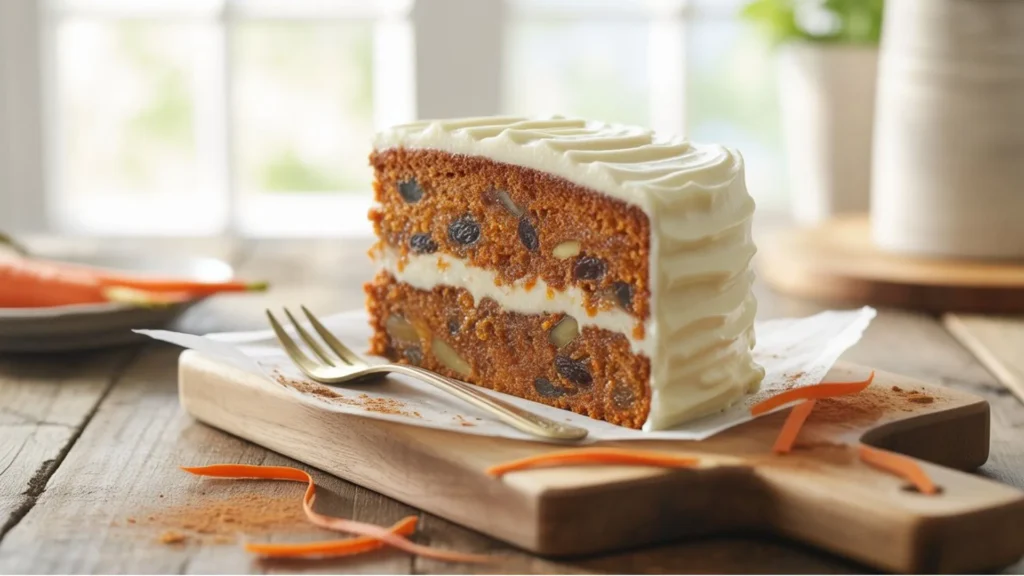
Because gluten free batters create a denser, more stable crumb, this cake actually holds frosting better. The cream cheese topping doesn’t slide off, and the layers stay intact when you slice it.
If you’ve ever struggled to keep a layered carrot cake from collapsing, this one is your stress-free fix.
10. It Just Tastes Better — Period
Flavor is subjective, but most people who try this recipe agree: it’s more balanced, more aromatic, and more satisfying. The natural flours enhance sweetness, the spices pop, and the frosting feels lighter.
Once you’ve tried it, it’s hard to go back. The classic version starts tasting a little… flat.
If you want to see another take on this kind of dessert, you can also check out Well Plated’s gluten free carrot cake recipe — it’s a fantastic example of how creative gluten free baking has become.
Your New Favorite Gluten Free Carrot Cake Recipe
Here’s the recipe that proves all ten reasons true — a gluten free carrot cake that’s wholesome, flavorful, and foolproof.
Description
A moist, spiced, and tender carrot cake that’s naturally gluten free. It’s topped with velvety cream cheese frosting and tastes like a warm hug on a plate.
Ingredients
Dry Ingredients
- 1 ½ cups almond flour
- 1 cup oat flour (certified gluten free)
- 1 teaspoon baking soda
- 1 teaspoon baking powder
- 1 teaspoon cinnamon
- ½ teaspoon nutmeg
- ¼ teaspoon salt
Wet Ingredients
- 3 large eggs
- ¾ cup coconut sugar (or brown sugar)
- ½ cup melted coconut oil
- 1 teaspoon vanilla extract
- 2 cups finely grated carrots
Optional Add-Ins
- ½ cup chopped walnuts or pecans
- ¼ cup unsweetened shredded coconut
- ¼ cup crushed pineapple (for extra moisture)
Instructions
- Preheat oven to 350°F (175°C). Lightly grease and line a 9-inch round cake pan.
- Combine dry ingredients in a large bowl: almond flour, oat flour, baking soda, baking powder, cinnamon, nutmeg, and salt. Whisk well.
- In another bowl, whisk together eggs, coconut sugar, melted coconut oil, and vanilla until smooth.
- Stir in the carrots until evenly distributed.
- Fold in the dry ingredients gradually, mixing just until combined. Avoid overmixing — this keeps the cake fluffy.
- Pour batter into the prepared pan and smooth the top.
- Bake for 30–35 minutes, or until a toothpick inserted in the center comes out clean.
- Cool completely before frosting.
Cream Cheese Frosting
- 8 ounces cream cheese, softened
- ¼ cup butter, softened
- 1 teaspoon vanilla extract
- 1 cup powdered sugar
Beat together until smooth and fluffy. Spread evenly over the cooled cake.
Time Summary
- Prep Time: 15 minutes
- Bake Time: 35 minutes
- Total Time: 50 minutes
Nutrition (Per Slice, 1/10 of Cake)
- Calories: 310
- Fat: 18g
- Carbohydrates: 32g
- Protein: 7g
- Fiber: 4g
- Added Sugar: ~9g
Tips for Making the Perfect Gluten Free Carrot Cake
- Use freshly grated carrots. Pre-shredded ones are too dry and can make your cake crumbly.
- Don’t overmix the batter. Once the dry ingredients are just blended, stop.
- Add crushed pineapple or applesauce for extra moisture if you prefer a softer crumb.
- Cool completely before frosting. Otherwise, the frosting will melt and slide.
Creative Variations You’ll Love
- Cupcakes: Divide the batter into muffin tins and bake for 20–22 minutes.
- Loaf version: Perfect for breakfast or brunch; bake for 45 minutes in a loaf pan.
- No-bake carrot cake bites: Roll the raw batter into balls and chill for a healthy snack.
Health Benefits Worth Noting
Beyond taste, this cake supports your well-being in small but real ways.
- Boosts eye and skin health: Thanks to the carrots’ vitamin A.
- Supports heart function: Almond flour’s healthy fats aid cholesterol balance.
- Helps digestion: Gluten free flours and fiber-rich carrots promote gut health.
- Reduces inflammation: Swapping refined sugar for natural sweeteners helps keep your body balanced.
Serving & Storage Tips
- Serving: Serve chilled or at room temperature. Try sprinkling extra cinnamon or crushed nuts on top for a rustic look.
- Storage: Keep leftovers covered in the fridge for up to 4 days.
- Freezing: Wrap slices individually and freeze up to 2 months — just thaw in the fridge overnight when the craving hits.
FAQs About Gluten Free Carrot Cake
What makes gluten free carrot cake different from the classic?
It swaps wheat flour for alternatives like almond or oat flour, giving you a lighter, more nutrient-packed slice with no gluten.
Can you make it without dairy?
Yes! Replace butter with coconut oil and use vegan cream cheese or cashew frosting.
Why does gluten free carrot cake sometimes turn out dense?
That usually happens from overmixing or too much liquid. Mix gently and measure accurately for the perfect texture.
How long does gluten free carrot cake last?
It stays moist up to 4 days refrigerated, and it freezes beautifully for long-term storage.
Can you make it refined-sugar-free?
Absolutely — use pure maple syrup, coconut sugar, or monk fruit to keep sweetness natural.
A Sweet Ending: Why You’ll Never Go Back
When you cut into your first slice of this cake — the tender crumb, the creamy frosting, the warm spice — you’ll understand why so many people say it outshines the original.
The best part? You don’t have to sacrifice taste for health. You get both. You get comfort and nourishment. You get to bake something you love and share it with someone you love, without worrying about gluten or guilt.
So preheat that oven, grab your mixing bowls, and make this the weekend you discover just how good gluten free carrot cake can be.
Ready to bake your first masterpiece?
Whisk, mix, and bake your way to a dessert that’s light, wholesome, and unforgettable.
Your kitchen will smell amazing — and your heart will be full.
Have You Given This Recipe A Try?
There are no reviews yet. Be the first one to write one.